


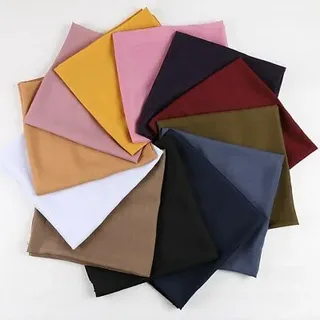
Best Lightweight Viscose Fabrics for Saudi Arabia Fashion Brands
Designing for the Saudi Arabian market presents a specific challenge: the climate. Fashion brands operating in the region must balance the need for modest, high-quality garments with the reality of intense heat. Your customers demand fabrics that keep them cool without sacrificing style or quality.
Lightweight viscose answers this demand. It offers the luxurious drape of silk but breathes like cotton, making it a highly strategic choice for abayas, kaftans, and summer collections. This semi-synthetic fiber has secured its place as a staple in the Saudi fashion industry because it performs well in high temperatures while maintaining a premium appearance.
Here is why leading fashion brands in Saudi Arabia are turning to lightweight viscose and how you can select the best options for your next collection.
Why Viscose Works in Hot Climates
Viscose is a cellulosic fiber, meaning it is derived from wood pulp. This natural origin gives it properties that synthetic fibers like polyester simply cannot match, especially in desert climates.
Breathability
Viscose allows air to pass through the fibers freely. This prevents heat from trapping against the body, a non-negotiable feature for garments worn in Riyadh or Jeddah during summer. Unlike polyester, which can feel like wearing plastic in the heat, viscose keeps the wearer ventilated.
Moisture Absorption
Humidity is often just as challenging as the heat. Viscose is highly absorbent—more so than cotton in many cases. It wicks moisture away from the skin, keeping the wearer dry.
Fluid Drape
Saudi fashion often relies on cuts that flow. Viscose has a natural weight and drape that falls beautifully on the body. It does not cling, which is essential for modest fashion silhouettes like abayas and loose-fitting dresses.
Types of Lightweight Viscose for Fashion Brands
Not all viscose is the same. Understanding the specific variations helps you choose the right fabric for the right garment.
Standard Viscose Rayon
This is the most common form. It is versatile, affordable, and accepts dye exceptionally well, resulting in vibrant colors. It is perfect for fast-fashion items and everyday wear.
Modal
Made specifically from beech tree pulp, Modal is smoother and softer than standard rayon. It resists shrinking and fading better than regular viscose, making it a smart investment for premium lines that promise longevity.
Lyocell (Tencel)
Lyocell represents the high end of the viscose family. It is produced using a closed-loop process, making it an environmentally friendly option. It is stronger than other viscose types, even when wet, and has a unique, peach-fuzz texture that customers love.
Comparing Viscose Varieties
Selecting the right fabric depends on your specific product requirements.
| Fabric Type | Weight & Texture | Key Advantage | Best Application |
| Viscose Rayon | Light, silk-like feel | Cost-effective, vibrant prints | Printed dresses, skirts |
| Modal | Light to medium, very soft | Resists pilling, retains shape | Loungewear, premium basics |
| Lyocell | Medium, smooth finish | Sustainable, durable | High-end abayas, structured tops |
Key Applications in Saudi Fashion
The versatility of viscose allows designers to use it across various categories.
Abayas: Lightweight viscose tailored in black or deep earthy tones offers a matte finish that looks sophisticated. It provides the necessary coverage without the weight of crepe or heavy wool.
Kaftans and Tunics: Printed viscose rayon is ideal here. The fabric holds detailed prints sharply, allowing brands to release intricate patterns that stand out in the market.
Hijabs and Scarves: A modal-blend scarf provides softness against the skin and stays in place better than slippery synthetics.
Sourcing High-Quality Viscose
Finding the right partner to supply your fabric is as important as the design itself. You need consistency in quality, accurate dyeing, and reliable delivery.
Fabriclore Pvt Ltd has established itself as a leading partner for fashion brands globally, including those in the Middle East. As one of the best local and online stores and suppliers, Fabriclore offers a massive catalog of viscose fabrics, from sustainable Liva Eco to standard rayon.
Why do brands choose Fabriclore?
- Low MOQ: You can test new designs without committing to massive stock.
- Customization: They offer custom printing and dyeing, allowing you to create exclusive textiles for your brand.
- Reliability: Their tech-enabled platform ensures you know exactly where your shipment is and when it will arrive.
Sourcing from a reputed supplier like Fabriclore ensures you avoid common issues like uneven weaving or poor colorfastness.
Case Studies: Success with Viscose
Many Saudi brands have already made the switch.
- The Modern Abaya Brand: One Riyadh-based boutique shifted their summer line from polyester crepe to Tencel. They marketed the collection based on “breathable luxury.” The result was a 40% increase in repeat customers who valued the comfort factor during the summer months.
- The Resort Wear Line: A Jeddah startup focused on beach cover-ups used printed viscose rayon. The ability to print custom, vibrant geometric patterns on a fabric that dries quickly and feels cool helped them sell out their inventory within weeks of launch.
Sourcing Tips for Fashion Brands
When evaluating viscose for your collection, keep these factors in mind:
- Check the GSM: For lightweight summer garments, look for a GSM (grams per square meter) between 80 and 120. Anything higher will drape heavier and trap more heat.
- Test the Hand Feel: The fabric should feel cool to the touch. If it feels waxy or overly shiny, it may have a high synthetic blend that will reduce breathability.
- Sustainability Certification: If your brand focuses on eco-conscious values, ask your supplier for certifications like FSC (Forest Stewardship Council) or verify if the fiber is branded EcoVero or Tencel.
Care and Maintenance
Educating your customer increases the lifespan of the garment and builds trust in your brand. Include these tips on your labels:
- Wash Cold: Hot water can shrink viscose fibers.
- Air Dry: Tumble drying breaks down the fibers and causes garments to lose shape.
- Iron Low: Use a low heat setting or a steamer to remove wrinkles without scorching the fabric.
The Future of Viscose in Saudi Arabia
The market is shifting toward sustainability. Saudi consumers are becoming more aware of the environmental impact of their clothes. The future belongs to eco-friendly viscose options like Lyocell and EcoVero. Brands that adopt these fabrics now will position themselves as leaders in the sustainable fashion movement within the Kingdom.
Build Your Collection with Confidence
Lightweight viscose is more than just a fabric alternative; it is a solution to the specific climatic and stylistic needs of the Saudi market. It offers the perfect blend of comfort, style, and versatility. By choosing the right type of viscose and partnering with reliable suppliers like Fabriclore Pvt Ltd, you ensure your collection meets the high standards your customers expect.
Start integrating viscose into your designs today and deliver the quality your audience deserves.
Fabriclore highlights four main types of viscose fabric weaves on this page: Plain Weave Viscose, Twill Weave Viscose, Satin Weave Viscose, and Jacquard Weave Viscose. Plain weave viscose is described as simple, sturdy, and versatile for everyday clothing and home textiles. Twill weave viscose features a diagonal rib for added durability, making it suitable for trousers, jackets, and other hard‑wearing garments. Satin weave viscose offers a glossy, smooth, high–thread count surface ideal for eveningwear and lingerie. Jacquard weave viscose incorporates intricate woven patterns, used for upscale garments, decorative pieces, and couture applications.
Fabriclore is a leading B2B fabric sourcing platform dedicated to empowering fashion designers, apparel manufacturers, and clothing brands worldwide. With 10+ years of experience in the textile industry, we have built a trusted network that connects creativity with high-quality fabrics, ensuring seamless and efficient sourcing for every scale of production.
Our extensive collection includes natural fibers like cotton fabric, linen fabric, and silk fabric; man-made fibers such as viscose and polyester; along with sustainable options like LENZING™, LIVA™, BEMBERG™ Cupro, and organic cotton.
We offer four key services tailored to meet every design and production need:
- Dyeable Fabric – Woven RFD & greige, sustainable, and knitted fabrics.
- Dyed Fabric – Mill dyed, yarn dyed, Schiffli, and denim fabrics.
- Made To Order – Digital printing, screen printing, block printing, and dyeing solutions.
- Ready Stock – Block, screen, Ikat, tweed, and jacquard fabrics.
Explore our diverse range of custom-printed, ready mill-dyed, and yarn-dyed fabrics to find the perfect match for your next collection.
For personalized assistance or inquiries, reach out to us at [email protected].
Experience seamless, authentic, and affordable fabric sourcing with Fabriclore — your trusted partner with over a decade of expertise in the global textile industry.
