


Spinal Decompression Treatment: A Non-Surgical Solution for Lasting Back Pain Relief
Back pain is one of the most common ailments worldwide, with millions of people seeking effective ways to alleviate their discomfort.
According to the Australian Bureau of Statistics, back problems account for one of the leading causes of disability, with nearly 4 million Australians affected by some form of chronic back pain each year. Source: abs.gov.au.
For those suffering from conditions such as herniated discs, sciatica, or degenerative disc disease, traditional treatments like medications or invasive surgery may not always be ideal options. In these cases, spinal decompression treatment is gaining popularity as a non-surgical, effective solution.
Spinal decompression therapy is a non-invasive procedure aimed at relieving back pain by gently stretching the spine.
This treatment helps alleviate pressure on the discs and nerves, promoting healing and pain relief.
In this article, we’ll explore the benefits of spinal decompression treatment, how it works, and why it’s a popular alternative for those seeking lasting relief without the need for surgery.
1. What is Spinal Decompression Treatment?
Spinal decompression treatment is a therapeutic technique used to treat chronic back pain caused by conditions such as herniated or bulging discs, sciatica, spinal stenosis, and degenerative disc disease. The goal of spinal decompression is to relieve pressure on the spinal discs, which are the cushions between the vertebrae, by creating negative pressure within the disc spaces. This negative pressure helps to:
- Retract bulging or herniated discs: It pulls herniated discs back into their proper position, reducing nerve compression and alleviating pain.
- Increase nutrient flow to the discs: The therapy promotes the movement of water, oxygen, and nutrients into the discs, helping them heal and regenerate.
- Reduce inflammation: By relieving pressure on the discs and nerves, spinal decompression reduces inflammation and promotes overall spinal health.
Spinal decompression therapy is typically performed using a spinal decompression machine, which applies controlled traction to the spine in a manner that is gentle and non-invasive. It is particularly effective for people who want to avoid surgery or for those who have not found relief through traditional methods like medication or physical therapy.
2. How Does Spinal Decompression Treatment Work?
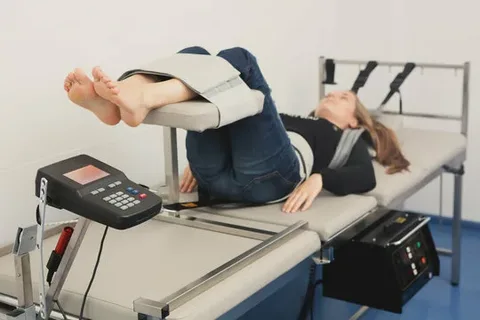
The most common method of spinal decompression is performed on a specialized table or with the use of a spinal decompression machine. Here’s how it works:
Step 1: Patient Positioning
The patient typically lies on a treatment table in a comfortable position, with a harness or strap placed around the pelvis or torso. The exact position may vary depending on the area of the spine being treated. For lower back pain, patients are generally placed on their back, while for neck pain, they may lie on their stomach or back with a neck support.
Step 2: Application of Traction
Once the patient is in position, the spinal decompression machine begins to apply a gentle, controlled stretching force to the spine. The machine alternates between periods of tension and relaxation, allowing the spine to decompress in a rhythmic pattern. This process creates negative pressure in the spinal discs, which can help to retract bulging or herniated discs back into place.
Step 3: Relaxation
During the relaxation phases of the treatment, the spinal decompression machine releases the tension, allowing the spine to rest. This cycle of traction and relaxation is designed to provide a safe, gradual decompression effect.
Step 4: Duration of Treatment
A typical spinal decompression session lasts about 20 to 30 minutes. Depending on the severity of the condition and the individual’s response to therapy, a series of sessions may be recommended. Many patients begin to feel noticeable relief after just a few sessions.
3. Conditions Treated with Spinal Decompression
Spinal decompression treatment is effective for a wide range of conditions that affect the spine. Some of the most common conditions that can benefit from this therapy include:
Herniated or Bulging Discs
One of the primary causes of back pain is a herniated disc, where the soft material inside the disc bulges out and presses on nearby nerves. Spinal decompression helps to pull the disc material back into place, alleviating the pressure on the nerve and reducing pain.
Degenerative Disc Disease
As we age, the discs between the vertebrae lose hydration and elasticity, which can lead to chronic pain. Spinal decompression helps to rehydrate the discs and improve their function by creating space between the vertebrae, thus reducing pain and stiffness.
Sciatica
Sciatica is pain that radiates from the lower back down through the legs, often caused by pressure on the sciatic nerve. Spinal decompression can help reduce the pressure on the sciatic nerve, providing significant relief from this painful condition.
Spinal Stenosis
Spinal stenosis occurs when the spaces within the spine narrow, putting pressure on the spinal cord and nerves. Spinal decompression therapy helps open up the spaces between the vertebrae, alleviating this pressure and reducing the associated pain.
Facet Joint Pain
The facet joints in the spine can become inflamed or irritated, leading to localized pain and discomfort. Spinal decompression can reduce pressure on these joints, allowing for healing and pain relief.
4. Benefits of Spinal Decompression Treatment
There are many advantages to choosing spinal decompression treatment, especially for individuals looking for a non-surgical alternative. Some of the key benefits include:
Non-Surgical Approach
Spinal decompression offers a non-invasive solution to chronic back pain. Many patients who are not candidates for surgery or who wish to avoid the risks associated with surgery turn to spinal decompression as a safer, less invasive option.
Minimal Downtime
Unlike traditional surgery, which requires significant recovery time, spinal decompression therapy has minimal downtime. Most patients can return to their normal activities immediately after each session, making it a convenient treatment option for those with busy schedules.
Pain Relief Without Medication
Spinal decompression provides effective pain relief without the need for pain medications or injections, which can have side effects and may lead to dependency over time. Many patients experience significant pain reduction, improving their overall quality of life.
Improved Mobility and Function
Spinal decompression not only reduces pain but also improves flexibility and mobility. By relieving pressure on the spine and discs, patients often experience increased range of motion, which can help them return to normal activities and reduce stiffness.
Long-Term Relief
While results can vary, many patients report long-term relief from back pain after undergoing spinal decompression therapy. This treatment helps to address the root causes of pain, promoting healing in the affected discs and supporting the spine’s natural function.
5. What to Expect During a Spinal Decompression Session
Spinal decompression is a comfortable, non-invasive procedure. Here’s what you can expect during a typical session:
- Initial Consultation: Your chiropractor, physiotherapist, or physician will evaluate your condition and medical history to determine whether spinal decompression is suitable for you.
- Treatment Setup: Once cleared for treatment, you’ll be positioned on the spinal decompression table, and a harness will be attached to your body.
- The Decompression Process: The machine will gently apply traction to your spine, with alternating phases of stretching and relaxing. The amount of tension is carefully calibrated based on your needs and comfort level.
- Post-Treatment: After the session, you may be asked to rest briefly. Some patients experience mild soreness, similar to what one might feel after exercising, but this typically subsides within a few hours.
6. Is Spinal Decompression Right for You?
Spinal decompression therapy is generally safe for most individuals with chronic back pain. However, it may not be suitable for people with certain conditions, such as osteoporosis, severe arthritis, or fractures. It’s important to consult with a healthcare provider before undergoing spinal decompression treatment to ensure it’s the right option for your specific condition.
For many people, spinal decompression offers an effective and non-invasive alternative to surgery, providing long-term pain relief without the risks or recovery times associated with traditional treatments.
Spinal decompression treatment offers a promising solution for those suffering from chronic back pain caused by conditions such as herniated discs, sciatica, or degenerative disc disease.
By gently stretching the spine and relieving pressure on the discs and nerves, spinal decompression therapy provides lasting pain relief, improved mobility, and better quality of life.
If you’re looking for a non-surgical, drug-free solution for your back pain, spinal decompression treatment may be the answer.
Always consult with a healthcare provider to determine if this treatment is right for you and to create a personalized treatment plan.
