


Tips to Pack Shipping Boxes Efficiently (Reduce Damage & Costs)
Shipping products safely while keeping costs under control is one of the biggest challenges for any eCommerce or logistics business. Poor packing leads to damaged goods, higher return rates, and unnecessary shipping expenses. On the other hand, efficient packing not only protects your products but also optimizes shipping costs and improves customer satisfaction. If you want to strike the right balance between protection and cost-efficiency, these practical tips will help you pack shipping boxes like a pro.
Start with the Right Box Size and Strength
Choosing the correct box is the foundation of efficient packing. Many businesses either use boxes that are too large or too weak for the product being shipped. Oversized boxes increase dimensional weight, leading to higher shipping costs, while weak boxes can collapse or tear during transit. Always select a box that closely matches the size of your product, leaving just enough room for cushioning materials. Additionally, consider the weight of the item. Heavier products require double-wall or reinforced corrugated boxes to prevent damage.
Use High-Quality Cushioning Materials
Cushioning plays a crucial role in protecting items from shocks, vibrations, and drops. Materials such as bubble wrap, air pillows, foam inserts, and packing paper help absorb impact during transit. Fragile items should be wrapped individually and surrounded by cushioning on all sides, especially at the corners. Avoid using low-quality or insufficient padding, as it increases the risk of breakage. At the same time, don’t overuse materials unnecessarily, as this adds weight and increases shipping costs.
Pack Items Tightly to Prevent Movement
One of the most common causes of damage is internal movement within the box. When items shift during shipping, they are more likely to collide with each other or the box walls. Ensure that all items are packed snugly with minimal empty space. Fill any gaps with void fillers like crumpled paper or foam peanuts. A well-packed box should feel solid when gently shaken, with little to no movement inside.
Distribute Weight Evenly
Proper weight distribution is essential, especially when shipping multiple items in one box. Place heavier items at the bottom and lighter ones on top to maintain stability. Uneven weight distribution can cause boxes to tip, crush, or burst during handling. If you are shipping multiple fragile items, separate them with dividers or additional cushioning to prevent contact.
Seal Boxes Securely Using the H-Taping Method
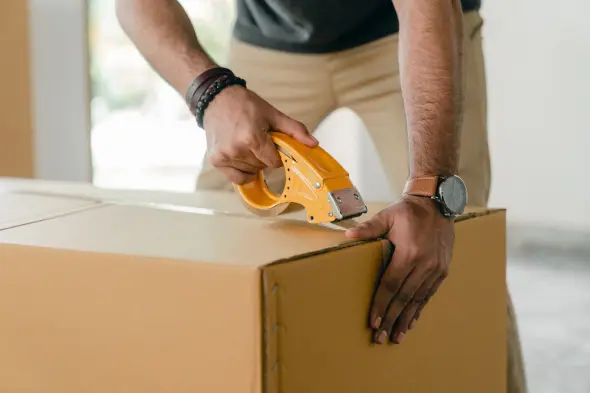
Sealing is often overlooked, but it is critical for keeping the package intact throughout transit. Use strong packing tape and apply it using the H-taping method, which involves sealing the center seam and both edge seams of the box flaps. This method reinforces the box and prevents it from opening during handling. Avoid using weak or insufficient tape, as it can lead to package failure.
Minimize Dimensional Weight Charges
Shipping carriers often calculate costs based on dimensional weight rather than actual weight. This means larger boxes can cost more even if they are lightweight. To reduce these charges, use the smallest possible box that safely fits your product. Avoid excessive padding that unnecessarily increases box size. Efficient packing helps you save significantly on shipping expenses over time.
Label Packages Clearly and Accurately
Proper labeling ensures that packages are handled correctly and reach their destination without delays. Include clear shipping labels with accurate addresses and contact details. For fragile items, use “Fragile” or “Handle with Care” labels to alert handlers. Orientation labels like “This Side Up” can also help reduce mishandling. While labels don’t guarantee careful handling, they do improve the chances of safer transit.
Protect Against Environmental Factors
Shipping conditions can vary widely, from humidity and rain to extreme temperatures. To protect your products, consider using waterproof liners, plastic wraps, or sealed bags for items sensitive to moisture. For temperature-sensitive goods, insulated packaging or thermal liners can help maintain product integrity. Taking these precautions prevents damage caused by environmental exposure.
Standardize Your Packing Process
If you handle frequent shipments, standardizing your packing process can improve efficiency and reduce errors. Create guidelines for box selection, cushioning, and sealing methods. Train your team to follow consistent packing practices. Standardization not only saves time but also ensures that every package meets the same quality and safety standards.
Use Inserts and Custom Packaging for Fragile Items
For delicate or high-value products, custom inserts such as molded foam or corrugated dividers offer superior protection. These inserts hold items in place and prevent movement, reducing the need for excessive cushioning materials. While custom packaging may have a higher upfront cost, it can significantly reduce damage rates and returns, making it a worthwhile investment.
Optimize Packaging for Cost and Sustainability
Efficient packing is not just about saving money; it also contributes to sustainability. Reducing excess materials lowers shipping weight and minimizes environmental impact. Consider using recyclable or biodegradable packaging materials. Right-sizing your boxes and minimizing waste not only cuts costs but also appeals to environmentally conscious customers.
Test Your Packaging Before Shipping
Before finalizing your packaging method, conduct basic tests such as drop tests and compression tests. Simulate real-world shipping conditions to ensure your packaging can withstand handling. Testing helps identify weak points and allows you to make improvements before sending products to customers.
Monitor Damage Rates and Continuously Improve
Efficient packing is an ongoing process. Track your shipping performance, including damage rates and return reasons. Analyze patterns to identify areas for improvement. If certain products are frequently damaged, revisit your packaging strategy for those items. Continuous optimization helps you reduce losses and improve customer satisfaction over time.
Conclusion
Packing shipping boxes efficiently is a balance between protection and cost optimization. By choosing the right box, using proper cushioning, minimizing empty space, and following secure sealing techniques, you can significantly reduce damage during transit. At the same time, optimizing box size and materials helps lower shipping costs and improve overall efficiency. With a standardized and well-tested packing process, you not only protect your products but also enhance your brand’s reliability and customer experience.
