


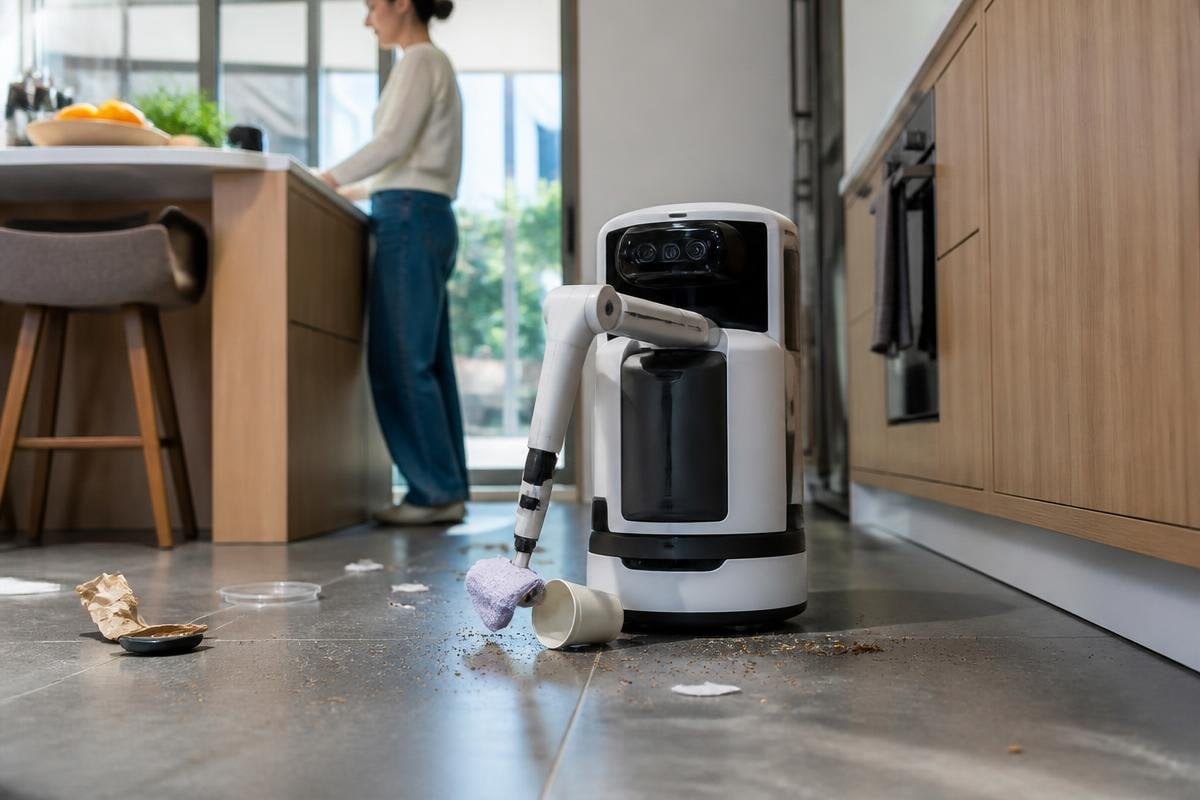
A robot can work well in a demo and still fail as a product. Once many people can buy one, real-world testing reaches homes, shops, farms, and warehouses with dust, clutter, weak Wi-Fi, and limited technical support.
Quick read
- Lower prices will expose repair and support costs.
- Safe setup will matter as much as movement.
- The best products will handle failure in plain view.
The price changes the machine
Mass production can lower the cost of motors, cameras, batteries, control boards, and plastic parts. That helps more buyers afford a robot, but it also puts pressure on the design team to remove parts, shorten assembly time, and use shared components.
Those choices affect the owner later. A sealed battery can reduce factory work, yet make a replacement harder. A custom motor may save space, while a common motor can make repairs easier. The product price tells only part of the story.
The real cost includes the charging dock, software service, spare parts, delivery, repair labor, and time spent setting the robot up. A machine that needs a technician for every small fault won’t feel cheap for long.
Support becomes part of the hardware
A mass-market robot needs to explain its own problems. If a wheel is blocked, a camera is dirty, or the battery is too low, the owner needs a clear message and a safe next step. A vague error code sends the problem to customer support.
That support system also has to work after the sale. Manuals, replacement parts, firmware updates, and repair instructions need to stay available for years, not only during the first product cycle. The robot may still move, but a dead app or missing server can stop it from doing useful work.
A mass-market robot can become unusable when its maker closes a server or stops selling a part. Mass-market robot reporting from Robot24.com puts those support decisions beside the product and company details before the next section looks at safety in homes and public spaces.
Safety moves into ordinary spaces
In a lab, the robot has marked floors, trained staff, and a short list of approved tasks. A mass-market robot may meet children, pets, visitors, loose cables, wet floors, and people who never read the manual.
The machine needs limits that make sense without specialist knowledge. It should stop before a person, slow down near an edge, and show when it has lost a map or a network connection. A physical stop button, a safe restart, and a way to move the robot by hand matter when software stops responding.
Privacy becomes part of the same decision. Cameras and microphones can collect data inside private spaces, while cloud processing can tie that data to an account.
Buyers will need clear settings for storage, sharing, and deletion. A robot that does useful work but gives poor control over household data has a serious product fault.
Failure becomes normal, so recovery matters
No robot will handle every floor, object, room, or work schedule. The better question is what happens after the machine fails. Can you remove the blockage without tools? Does it return to a task after charging? Can it tell you which part of the job remains unfinished?
These details affect trust more than a smooth launch video. One that stops safely and explains the fault may keep its place in a home or workplace. Another that silently repeats the same mistake will be put away.
I’d judge a mass-market robot by its recovery steps before its top speed. Buyers live with faults, battery limits, and setup work long after the first demonstration.
A buying check for the first wave
Before you pay, check these points:
- Repair route: Find out who replaces the battery, wheels, sensors, and gripper.
- Offline use: Confirm which jobs still work when the internet or app is unavailable.
- Failure message: Look for a clear fault screen, warning light, or spoken prompt.
- Data control: Check where images and logs go, how long they stay there, and how you delete them.
- Task fit: Name the exact job, surface, payload, and work hours the robot must handle.
- Exit plan: Ask what happens if the maker stops updates or closes its service.
The mass market will reward robots that fit into ordinary routines, not machines that perform one polished task. The next useful measure may be the number of faults an owner can fix without a service call, and that number is still unknown for most new robot products.
