


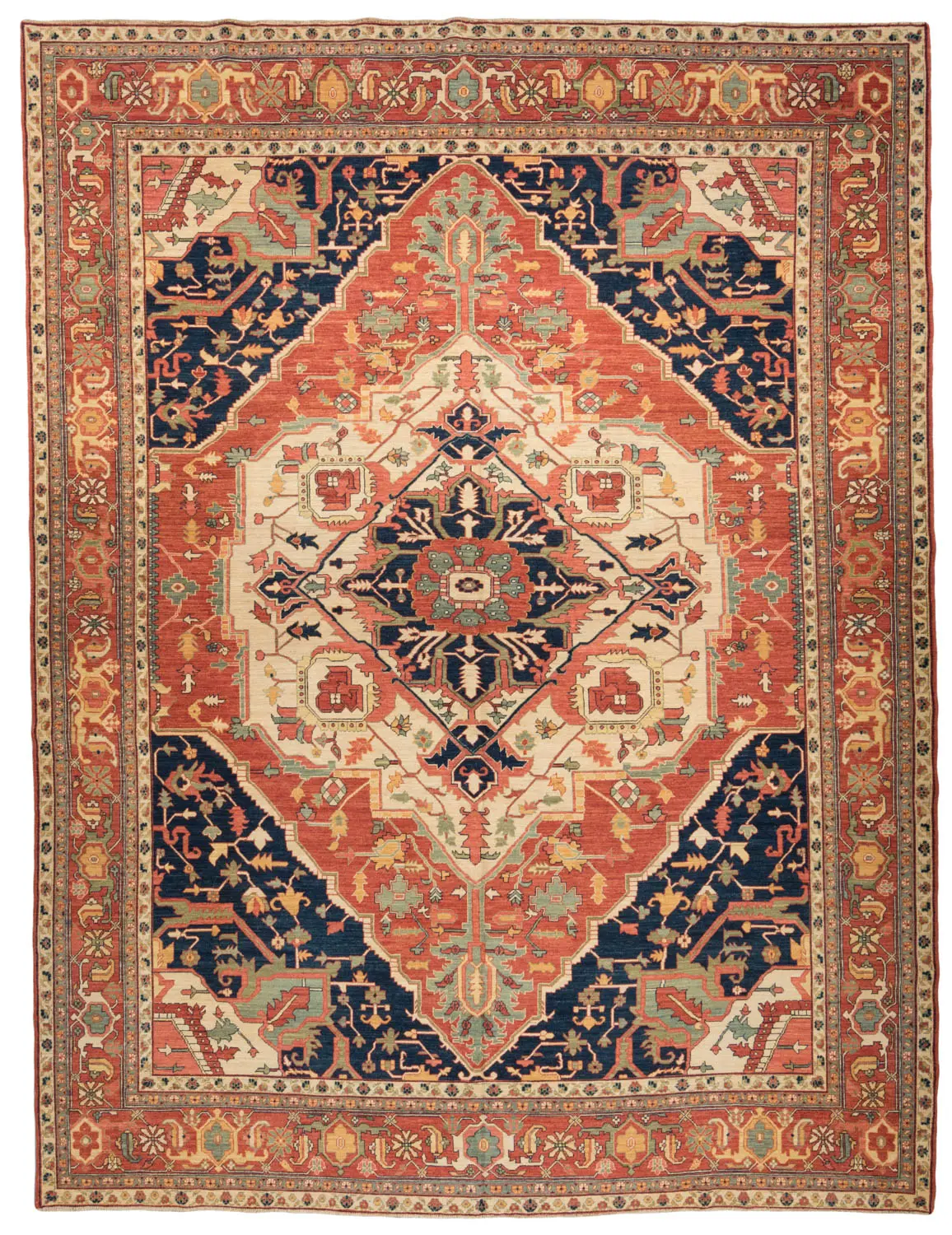
Traditional vs Transitional Rugs: Understanding the Difference
Traditional rugs feature intricate, centuries-old patterns and rich colors like deep reds and blues. Transitional rugs blend these classic motifs with modern, minimalist elements using muted grays, whites, and subtle accent colors. Choose transitional rugs to bridge the gap between antique charm and contemporary interior design.
Shopping for the right floor covering often feels overwhelming. Buyers face a massive variety of styles, patterns, and materials. Knowing the distinction between traditional and transitional rugs helps you find the exact fit for your home interior.
Traditional rugs carry centuries of history and craftsmanship. They bring warmth and classic appeal to any room. On the other hand, transitional styles merge classic motifs with modern aesthetics, offering a fresh take on historical designs.
This guide breaks down the defining traits of both styles. Understanding these details makes your purchasing decision straightforward and stress-free.
What makes traditional rugs unique in home decor?
Traditional rugs draw inspiration from historical designs, particularly Persian and Oriental motifs. Artisans weave intricate florals, medallions, and borders into every piece. These rugs showcase symmetrical layouts that command attention and anchor a room.
The color palettes of traditional rugs lean heavy and rich. You will frequently see deep reds, navy blues, and warm earthy tones. These bold colors give the rugs a regal, established look.
Craftsmanship plays a massive role in traditional rug making. Weavers pass down their techniques through generations. Because of their heavy patterns and rich colors, traditional rugs suit formal spaces perfectly. They look right at home in classic dining rooms, grand entryways, and heritage-style living rooms.
What are the defining features of transitional rugs?
Transitional rugs take the best elements of traditional design and update them for contemporary homes. You might see a classic Persian floral pattern, but the artisan has simplified the design, erased parts of the border, or woven it with geometric and abstract influences.
These rugs favor subdued color palettes. Manufacturers rely on muted tones, grays, whites, and soft neutrals. Sometimes, they add small, bold pops of contemporary colors like mustard yellow or teal.
This blending of old and new allows transitional rugs to bridge the gap between heavy traditional decor and stark modern minimalism. They bring warmth to modern rooms without clashing with sleek furniture. If you want a versatile piece that matches almost any furniture style, you should definitely buy transitional rugs.
How do you choose between traditional and transitional styles?
Pattern complexity serves as the biggest dividing line. Traditional rugs require you to design the room around their busy, intricate patterns. Transitional rugs feature simpler, more open designs that blend into the background of your existing decor.
Color schemes also dictate your choice. If your room features dark wood furniture and antique styling, the deep reds and blues of a traditional rug will complement the space perfectly. If you have a bright, airy room with neutral furniture, a transitional rug with muted grays and whites will maintain that modern aesthetic.
When deciding when to choose which style, look at your long-term interior goals. Traditional rugs work beautifully in dedicated formal spaces. Transitional rugs offer higher versatility, allowing you to move them from a modern bedroom to a casual living room with ease.
How can you find the perfect rug for your interior?
Start by evaluating your existing decor and personal taste. Look at the colors currently dominating your room. Match your new rug to accent pillows, wall art, or upholstery.
Think about the room’s function and mood. A high-traffic family room needs a durable material and a pattern that hides footprints. A quiet bedroom benefits from plush materials and calming, muted tones.
Material quality dictates the lifespan of your purchase. Hand-knotted wool and silk rugs outlast machine-made synthetic options by decades. If you want to buy transitional rugs in India, prioritize sellers who source directly from authentic weaving communities.
Why do buyers choose The Ambiente for premium handmade rugs?
The Ambiente operates as a design-led rug atelier based in Bhadohi, India’s largest hub for hand-knotted carpet weaving. With a flagship store located in Sultanpur, New Delhi, the brand blends traditional craftsmanship with fresh, modern design.
Avani Khandelwal founded The Ambiente after earning her MBA from MDI Gurgaon and gaining extensive corporate experience. Alongside her brother-in-law, Ayush Baranwal, she leverages the 30-year expertise of their parent company, Bhadohi Carpets. Together, they have successfully served over 5,000 clients across India and globally.
The Ambiente empowers local weaving communities. The brand works with over 4,000 women weavers, providing them with a sustainable livelihood and an ecosystem for continuous learning. Their artisans collaborate closely with the design team to create high-quality, handwoven floor coverings that fit every Indian home.
What are the best practices when you buy rugs online?
Buying a handmade carpet over the internet requires a few simple precautions. First, measure your space accurately. Use painter’s tape to outline the rug’s dimensions on your floor before adding anything to your cart.
Second, read the material specifications closely. Ensure you understand the difference between hand-tufted and hand-knotted constructions. Hand-knotted rugs offer superior durability and value. Finally, look for clear return policies and genuine customer reviews.
When you buy rugs online through trusted ateliers like The Ambiente, you get quality assurance and direct access to authentic craftsmanship. Their detailed product descriptions and high-resolution images remove the guesswork from online shopping.
Finding Your Next Handwoven Centerpiece
Choosing the right rug completely transforms your living space. Traditional rugs offer rich history, complex patterns, and bold colors for classic interiors. Transitional rugs provide a versatile, muted, and updated aesthetic that fits perfectly into modern homes.
Assess your room, decide on your preferred color palette, and prioritize high-quality materials. Whether you want the historical weight of an Oriental pattern or the subtle charm of a distressed contemporary piece, authentic handmade rugs bring undeniable character to your home.
Frequently Asked Questions (FAQ)
Are transitional rugs suitable for high-traffic areas?
Yes. Transitional rugs made from natural materials like wool hold up exceptionally well in high-traffic areas like hallways and living rooms. Wool naturally repels dirt and handles heavy footfall without losing its shape.
How do transitional rugs differ from modern rugs?
Modern rugs often feature stark, bold geometries or completely abstract designs with no historical reference. Transitional rugs always retain some element of classic design, such as a faded floral motif or a simplified border, blending the old with the new.
How should I maintain a handmade wool rug?
Vacuum your wool rug regularly using a suction-only setting to remove dirt without pulling the fibers. Clean spills immediately by blotting them with a clean, dry cloth, and hire a professional rug cleaner every one to two years for a deep wash.
