


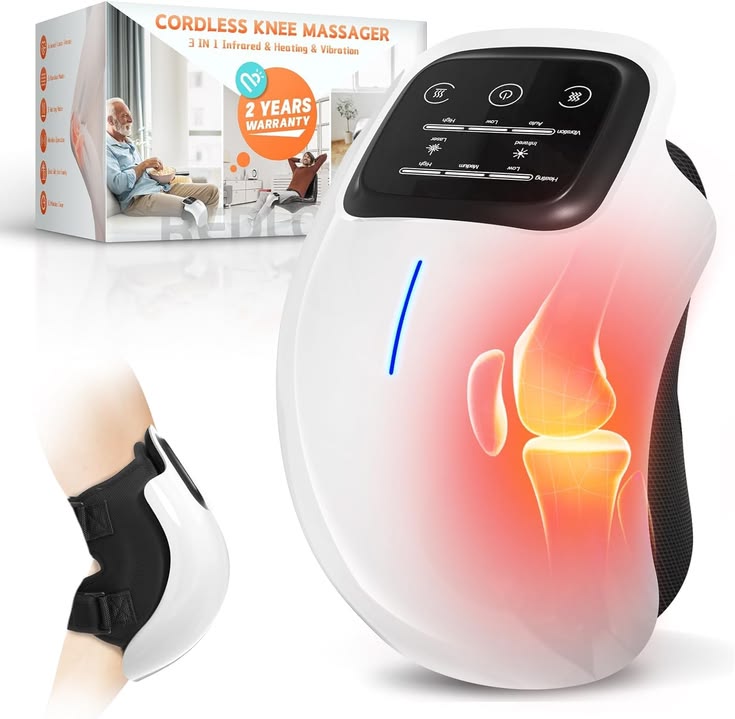
Why an Infrared Knee Massager is the Ultimate Weapon Against Inflammation
Understanding Knee Inflammation and Why It Happens
Inflammation in the knee is the body’s natural response to injury, overuse, or chronic joint conditions. While it is part of the healing process, excessive or prolonged inflammation can lead to stiffness, pain, and reduced mobility.
Table of Contents
ToggleCommon causes include repetitive strain from exercise, age-related joint wear, arthritis, or previous injuries. When inflammation persists, fluid can accumulate around the joint, making movement uncomfortable and sometimes limiting daily activities like walking or climbing stairs.
Managing inflammation effectively is essential not just for comfort, but for maintaining long-term joint health.
Why Traditional Approaches Often Fall Short
Many people rely on rest, ice packs, or pain relief medication to manage knee inflammation. While these methods can help temporarily, they often do not address the underlying circulation and muscle tension issues that contribute to ongoing discomfort.
Ice can reduce swelling in the short term, but it may also restrict blood flow. Rest alone does not actively improve joint mobility or tissue recovery. As a result, inflammation often returns once normal activity resumes.
This is why more advanced knee massager uk recovery tools are becoming increasingly popular.
How Infrared Therapy Works in the Knee
Infrared therapy uses light-based energy to gently penetrate deep into tissues without generating excessive surface heat. Unlike traditional heating methods, infrared energy can reach deeper layers of muscle and connective tissue around the knee.
This deep penetration helps improve circulation and encourages oxygen delivery to inflamed areas. Better blood flow supports the body’s natural healing processes and helps reduce the buildup of inflammatory byproducts.
Infrared therapy is often described as “deep warming,” but its effects go beyond simple heat—it supports cellular activity and tissue recovery at a deeper level.
Why Infrared Therapy is Effective for Inflammation
Inflammation often leads to restricted circulation in the affected area. When blood flow is reduced, healing slows down and stiffness increases.
Infrared therapy helps reverse this by expanding blood vessels and improving oxygen delivery to the tissues. This supports faster removal of waste products that contribute to swelling and discomfort.
As circulation improves, the knee joint becomes less stiff and more flexible, making movement easier and less painful.
The Added Power of Massage and Compression
An infrared knee massager does more than just apply heat-based therapy. Many devices also include compression or vibration features that enhance its effectiveness.
Compression helps gently move fluid around the joint, which can reduce swelling and improve mobility. Vibration or rhythmic massage stimulates the surrounding muscles, helping them relax and release tension.
When combined with infrared therapy, these features create a multi-layered approach that targets both inflammation and muscle tightness.
Breaking the Cycle of Chronic Inflammation
One of the biggest challenges with knee inflammation is that it often becomes a cycle. Swelling leads to stiffness, stiffness reduces movement, and reduced movement leads to further circulation problems.
An infrared knee massager helps break this cycle by actively improving blood flow and encouraging gentle movement in the surrounding tissues.
Over time, this can help reduce the frequency and severity of inflammation flare-ups, especially when used consistently as part of a recovery routine.
Supporting Mobility and Daily Comfort
When inflammation is reduced, the knee can move more freely. This improves walking comfort, reduces stiffness after rest, and makes daily activities easier.
For individuals with chronic knee issues, maintaining mobility is essential for independence and quality of life. Infrared therapy helps support this by keeping tissues more flexible and reducing the sensation of joint heaviness.
Regular use can contribute to smoother movement and improved confidence in physical activity.
Ideal Use for Long-Term Knee Health
An infrared knee massager is most effective when used consistently rather than occasionally. Short daily sessions of 10 to 20 minutes are typically enough to support circulation and reduce stiffness.
It can be used after physical activity, during rest periods, or in the evening to help relax the joint. The key is regular use that supports ongoing inflammation management rather than one-time relief.
Comfort should always guide intensity levels, ensuring the experience remains soothing rather than intense.
Who Benefits Most from Infrared Knee Therapy
This type of therapy is especially helpful for individuals dealing with chronic inflammation, arthritis-related discomfort, sports injuries, or post-workout soreness.
It is also beneficial for people who experience stiffness after long periods of inactivity or those with physically demanding lifestyles.
By targeting both circulation and muscle tension, it offers a broad range of support for different knee conditions.
Conclusion
Inflammation is one of the main causes of knee pain and stiffness, and managing it effectively is essential for long-term joint health. While traditional methods offer temporary relief, they often do not address deeper circulation and tissue recovery needs.
An infrared knee massager provides a more advanced approach by combining deep-penetrating light therapy with massage and compression techniques. This helps improve blood flow, reduce swelling, and support natural healing processes.
When used consistently, it becomes a powerful tool for breaking the cycle of inflammation and restoring smoother, more comfortable movement in the knee joint.
